







Suspected provocateur specifically stated, ‘We’re here to storm the capitol. I’m not kidding.’ In a new mini-documentary diving into Jan. 6, investigative journalist Lara Logan [more…]

The price of gasoline has notably dropped in the weeks since the midterm elections, and some are speculating that the timing is more than just coincidence. But are they right?
Gas prices, like the Iran conflict, were top of mind for voters in the midterm elections. According to NBC News’ national exit polls, 87% of voters were “very or somewhat concerned” about the cost of gas and diesel. Among the 59% of voters who were “very concerned,” 67% cast votes for Democrats.
‘Gasoline prices fell in every state over the last week.’
While the average price of gas remains over 70 cents higher nationally than it was the week prior to the initiation of strikes on Iran earlier this year, prices have still dropped dramatically over the past three weeks — as President Donald Trump predicted in September.
The national average price of gasoline was $4.24 per gallon on Oct. 26; $4.12 on Nov. 2, by which time well over 50 million Americans had already voted; $3.96 on Nov. 9; and $3.74 on Monday, according to the price-tracking service GasBuddy.
The American Automobile Association’s gas-price tracker similarly reflects a significant recent drop — from a national average price per gallon of $4.29 a month ago to $3.72 on Thursday.
Trump said in an interview on Wednesday, “You know the oil price, you notice the coincidence? The oil price dropped like a rock the day after the election.”
The White House accused Iran of keeping gas prices high in the lead-up to the midterms, telling the Washington Examiner earlier this month, “President Trump was right — Iran did everything they could to drive up the price of oil before the midterm elections, and now prices are tumbling down.”
RELATED: Tesla wants to sell you a car you can’t drive — and charge you to use it
Aaron Schwartz/Bloomberg/Getty Images
However, the drop in prices appears to be the result of a confluence of factors.
Patrick De Haan, head of petroleum analysis at GasBuddy, suggested normal seasonal patterns are a big reason for the drop.
“Many will assume the election had something to do with it, but that’s a myth,” said De Haan. “Gas prices have fallen in the 30 days leading up to the election every year since 2006 except 2010, and it’s typically seasonal: refiners finish maintenance and ramp up output just as demand fades with cooler weather. Those same forces, along with more oil moving through the Strait of Hormuz, are why prices could stay below $4 in the weeks ahead.”
In 2025, an average of around 20 million barrels of crude and oil products transited the Strait of Hormuz every day. The flow was greatly restricted — sometimes entirely — as a result of the strikes on Iran and Iran’s strategic closures of the strait.
The live-tracking website Hormuz.now shows that while traffic remains only a small fraction of the pre-conflict baseline, an estimated 8.3 million barrels were shipped daily last week.
Still, oil flows from the Middle East have increased, and Trump has cast doubt on resuming major military operations against Iran, both of which have reportedly helped significantly drive down global oil prices — and gasoline as well.
Refiners’ September switchover to the cheaper winter blends of gasoline, strong domestic crude output, and rising inventories appear to have also had an impact on what Americans have to pay at the pump.
On Monday, De Haan noted, “Gasoline prices fell in every state over the last week, with 12 states seeing declines of more than 25 cents per gallon, while diesel dropped in nearly every state, with 8 falling more than 25 cents.”
The analyst suggested that the national average is poised this week to fall below its lowest level since March.
Like Blaze News? Bypass the censors, sign up for our newsletters, and get stories like this direct to your inbox. Sign up here!
Donald trump, Gasoline, Iran, Midterms, Politics, White house
Nvidia’s boardroom scandal has reminded Washington how closely Silicon Valley’s fortunes can be tied to China. CEO Jensen Huang resigned last week after revelations of an affair with a woman U.S. officials suspect may be a Chinese spy. At the moment, the espionage allegations remain unproven. But the episode raises a question the tech industry would rather avoid: How much exposure to Beijing is too much?
Nvidia is hardly the only U.S. tech company in need of greater scrutiny. Consider Qualcomm.
Washington has spent years arguing over which party is tougher on China and which party is tougher on big business. Qualcomm offers a test of whether either side means it.
The San Diego semiconductor giant looks like a triumph of American innovation. Yet its latest annual filing attributes $18.1 billion — 42% of its fiscal 2026 revenue — to customers or licensees headquartered in China, including Hong Kong. That accounting figure doesn’t tell us where every device is ultimately sold. It does show how much business Qualcomm conducts with Chinese-headquartered customers.
Qualcomm also maintains offices across more than a dozen Chinese cities. In a country where major businesses operate under intense political and legal pressure from the Communist Party, those relationships warrant questions that go well beyond an earnings call.
This is no sudden entanglement. In 2014, Qualcomm turned to Chinese chipmaker SMIC to manufacture Snapdragon processors. The United States later placed SMIC on a trade blacklist. In March, U.S. officials accused SMIC of providing chipmaking tools to Iran’s military-industrial complex. Under the circumstances, perhaps the Trump administration should take a harder look at Qualcomm’s supply chains.
Then there’s Huawei. In October, Qualcomm and the notorious Chinese tech giant announced a broad patent-licensing agreement covering 5G, artificial intelligence, computing, and networking, along with Qualcomm’s planned purchase of certain Huawei U.S. patents. The companies say the transaction is subject to required regulatory approvals.
Huawei, meanwhile, faces a federal racketeering and fraud trial in New York involving allegations of intellectual-property theft and other misconduct. U.S. policymakers should ask why sensitive technology partnerships continue to deepen amid serious national-security concerns.
The same question extends to AI. Washington has imposed restrictions on advanced technology exports to China, which uses digital tools for surveillance and political control. Yet Qualcomm has continued courting Chinese AI customers. The company even designed a data center chip specially made for China that’s designed to work around the export controls of its home country.
RELATED: Nvidia scandal gets crazier — its top chips were apparently illegally sent to China
yunping liang/Getty Images
If Washington intends to limit China’s access to advanced AI, policymakers should ask whether those limits actually work — and how much influence the companies selling into China have over the rules. An American company can obey the letter of the law while still leaving the country dangerously dependent on its most powerful rival.
There’s another reason Washington should examine Qualcomm: its treatment of competitors and customers at home.
In 2017, the Federal Trade Commission sued Qualcomm, alleging that its licensing practices unlawfully maintained dominance in cellphone modem chips. Apple also challenged Qualcomm’s royalty demands, before the two companies settled their lawsuits in 2019. Qualcomm’s “no license, no chips” policy became the center of the antitrust fight.
Qualcomm won that fight. A federal appeals court rejected the FTC’s case in 2020, finding no antitrust violation on the theories presented, and a later private case largely failed. But legal victory is no answer to every question about outsized market power.
The company’s enormous patent portfolio gives it leverage throughout the connected-device economy. As wireless technology spreads from phones to automobiles, lawmakers can reasonably ask how that leverage affects prices, innovation, and competition. Losing an antitrust case does not mean Congress has to stop asking questions.
RELATED: Cheap Chinese cars: Trojan horse built to undermine US security?
Jade Gao/Bettmann/Getty Images
Here is where divided government could actually work. President Trump wants to limit China’s leverage over American industry. Democrats, including Sens. Elizabeth Warren and Bernie Sanders, have made corporate concentration a cause of their own. They don’t have to agree on everything to demand serious answers from Qualcomm.
Rep. Jamie Raskin (D-Md.) and Sen. Sheldon Whitehouse (D-R.I.) are expected to lead the House and Senate Judiciary committees, respectively, when the new Congress convenes in January. FTC Chairman Andrew Ferguson and Attorney General Todd Blanche have their own responsibilities. Together, Congress and the administration can examine the security consequences of technology partnerships, the adequacy of export controls, and the effects of Qualcomm’s licensing practices.
Washington has spent years arguing over which party is tougher on China and which party is tougher on big business. Qualcomm offers a test of whether either side means it.
American technology companies have every right to compete overseas. They have no right to be exempt from scrutiny at home. If Qualcomm wants Washington to treat it as an American champion, it can start by answering American questions.
China, Qualcomm, Big tech, Jensen huang, Semiconductors, Chips, Ai, Washington, Opinion & analysis, Espionage, National security, Artificial intelligence, Federal trade commission, Nvidia, Huawei
Another linchpin of the internet rattled this week, as a major vulnerability was discovered in a popular programming language that could give hackers remote access to the nation’s top companies. Here’s what you need to know about the threat, the impending risk level, and what you can do about it.
On November 17, a startup security firm, Calif, disclosed a memory corruption vulnerability in OpenJDK’s Base64 decoder called Java4Shell (CVE-2026-114938).
Java is disproportionately integral to 90% of all Fortune 500 companies, making the flaw a huge threat to corporations and the US economy.
Before we dive farther, let’s take a quick detour for a vocab lesson, just to highlight these names and why they’re important.
Java is a popular programming language used to build software, websites, applications, cloud-connected services, and more.Open Java Development Kit is a freely available open-source tool kit used to run Java-based software.A Base64 decoder is a translation layer that converts Base64-encoded plain text back into its original raw form, like images and files.
A growing number of critical online vulnerabilities are being uncovered, thanks to AI, and the Java4Shell story is no different. Calif deployed OpenAI’s Codex agent equipped with GPT-6 Cyber, a model built to uncover and test system vulnerabilities. According to the New York Times, Codex found the flaw in less than an hour, highlighting how quickly the latest AI tools can uncover previously unknown defects that lie dormant in our software.
Java is a well-established programming language released in 1995 by Sun Microsystems. The language later became part of Oracle’s software suite when the company agreed to purchase Sun Microsystems in 2009.
Today, Java powers 5.5% of all known websites on the internet — a paltry metric compared to the PHP meltdown that impacted up to 80% of the web. What’s more important is that it’s disproportionately integral to 90% of all Fortune 500 companies, making the flaw a huge threat to corporations and the U.S. economy.
In other words, a successful Java4Shell attack could allow hackers to infiltrate and run malicious code on many top companies that drive the U.S. economy, like Google, Amazon, Oracle, Meta, and X. Once inside, they could take full control one of these websites, steal data, and install ransomware to hold a site hostage.
RELATED: How to protect yourself and your data during the PHP web meltdown
amgun/Getty Images
Luckily, there are several caveats that must be met: First, the Java4Shell exploit only impacts OpenJDK versions 17.0.6 from 2023 and newer, narrowing down the open attack window.
Second, it requires very specific hardware to work — namely devices with an x86-64 processor that include Intel Xeon chips from Ice Lake and up and AMD EPYC and Ryzen chips from Zen 4 and up, with AVX-512 VBMI support. Any device that doesn’t fit these specs is safe from Java4Shell.
Third, Java4Shell isn’t universally dangerous to all Java code on versions 17.0.6 and newer. An attack must be custom-tailored to infect an app, program, or software.
So far, there is no evidence that a Java4Shell attack has been executed on the web, at least not at any detectable scale. So far, Calif is the first to find and disclose it.
For all of these reasons, Java4Shell does not appear to be as widespread or as dangerous as PHP2Shell that highlighted Black October, at least not yet.
To ensure it stays that way, Oracle released a software update on November 17 that included a patch for Java4Shell, along with other patches and fixes. Now, it’s up to website, software, and app developers to update their programs to shore up security.
The Cybersecurity and Infrastructure Security Agency arm of the DHS emphasized urgency in an alert it sent out on the same day that read:
CISA strongly urges organizations to immediately patch the recently disclosed Oracle Java vulnerability CVE-2026-114938. This critical memory-corruption vulnerability, known as “Java4Shell,” affects the Base64 decoder of the x86-64 HotSpot Java Virtual Machine (JVM), which is part of the Java Development Kit (JDK). Specially crafted Base64 input could crash the JVM and allow for unauthenticated remote code execution.
Even though a Java4Shell attack on consumer devices is extremely unlikely, you should still take steps to ensure that your own devices are safe and secure. That means you should update your PC to the latest software, download all available app updates (some of your programs may use Java in the underlying code), and update any copies of OpenJDK to the latest version.
Like Blaze News? Bypass the censors, sign up for our newsletters, and get stories like this direct to your inbox. Sign up here!
Cybersecurity, Cyberattack, Vulnerabilities, Tech
Utah is trying to shut Kalshi out of the state. The Trump administration says not so fast.
The Commodity Futures Trading Commission sued Utah and Attorney General Derek Brown on October 26, after the state filed a civil enforcement action against the prediction-market operator. Two days later, Utah charged Kalshi and co-founders Tarek Mansour and Luana Lopes Lara with 14 criminal counts, including 13 felonies, alleging violations of its anti-gambling laws. Those are charges, not convictions.
An exchange operating under federal supervision should not have to guess from one court order to the next whether its business is legal.
This is more than a quarrel over one app. The fight is over whether a federally registered derivatives exchange can operate nationwide or must answer to 50 different sets of gambling rules.
The Trump administration is right to intervene. Prediction markets offer a way to trade on the likelihood of future events. Their prices can convey information as well as opportunities to hedge risk. Utahns should be able to use a legal, federally supervised market rather than be pushed toward less accountable alternatives.
CFTC Chairman Michael Selig made the federal case when he announced the Utah lawsuit. Event contracts, he said, provide information about future events beyond their value to investors. Congress entrusted the commission with overseeing registered derivatives markets, and Selig has pledged to defend that jurisdiction. At the time, the agency said it had brought proceedings against nine other states.
A practical argument exists for nationwide rules. Prediction markets depend on liquidity: More participants generally make it easier to trade and help prices reflect what traders collectively expect. Contracts on elections, economic indicators, and international events do not stop at state borders. A patchwork of 50 state licensing regimes could fragment trading, raise costs, and handicap smaller competitors.
But the legal fight is not settled. It is most contentious over contracts based on sporting events, which states say look and function like ordinary bets. Utah’s position is hardly frivolous: An August federal district court ruling held that the Commodity Exchange Act did not prevent the state from enforcing its gambling laws against Kalshi’s sports contracts.
Samuel Boivin/NurPhoto via Getty Images
The appeals courts are divided. In April, the Third Circuit sided with Kalshi in its dispute with New Jersey, finding that the contested sports-event contracts qualified as federally regulated swaps. The Ninth Circuit later ruled against Kalshi in Nevada, and the Sixth Circuit rejected its arguments in Ohio and Tennessee. On November 17, the Fourth Circuit ruled that Maryland could proceed with enforcement against the platform. New Jersey has asked the Supreme Court to resolve the dispute, with 39 states and the District of Columbia supporting review.
Those conflicting decisions show why Congress should clarify the boundary between federal derivatives oversight and state gambling regulation. They do not persuade me that Utah’s attempt to drive Kalshi out is sound policy.
State regulators have a legitimate interest in preventing fraud, protecting minors, and addressing problem gambling. Federal registration does not magically answer every such concern. Yet state officials should also explain what their preferred restrictions will accomplish — and where willing customers will go if the regulated market disappears.
Critics are right that a contract paying out on a football score can look like a sports bet to the person buying it. Calling that contract a swap does not settle the legal question. But treating every event contract as a state-regulated wager is no answer, either. Congress should draw a workable line, and the CFTC should enforce clear rules on market manipulation, disclosures, and consumer safeguards. An exchange operating under federal supervision should not have to guess from one court order to the next whether its business is legal.
RELATED: ‘This is a real job’: Prediction market has a $120K gig for one gamer as ‘GTA VI’ launch closes in
Leon Neal/Getty Images
The risks of prohibition are not imaginary. In 2025, the American Gaming Association estimated that Americans wagered $673.6 billion annually through illegal or unregulated gambling operators, depriving states of an estimated $15.3 billion in tax revenue. Those numbers cover a much wider gambling market, not prediction markets specifically; they cannot tell us how much Utah would collect from Kalshi. They do illustrate the size of the market that flourishes outside legal channels.
The Taxpayers Protection Alliance has made a related point in Washington state, where we urged lawmakers to let consumers use licensed sports-betting app such as DraftKings and FanDuel beyond tribal casinos as proposed. That is a different legal question from Kalshi’s federal status, but the principle is familiar: Restricting convenient legal options does not necessarily eliminate demand.
Utah is entitled to defend its laws in court, of course. It should not mistake a statewide crackdown for a national regulatory strategy. Congress and the CFTC should establish clear rules for these markets, including meaningful consumer protections, rather than leave users and businesses to navigate a litigation map.
Utah can fight over jurisdiction. It cannot wish the demand away. It’s past time for a better approach.
Court orders, Criminal charges, New jersey, Ninth circuit, Prediction markets, Sporting events, Supreme court, Trump administration, Washington state, Utah, Opinion & analysis, Maryland, Kalshi

(NaturalNews) A 12-week clinical trial published in 2026 in the Journal of the International Society of Sports Nutrition found that adults aged 45 to 65 who took cr…

(NaturalNews) A comprehensive review in Frontiers in Nutrition analyzed hundreds of studies examining omega-3 fatty acids’ effects on muscles, bones, and joints…
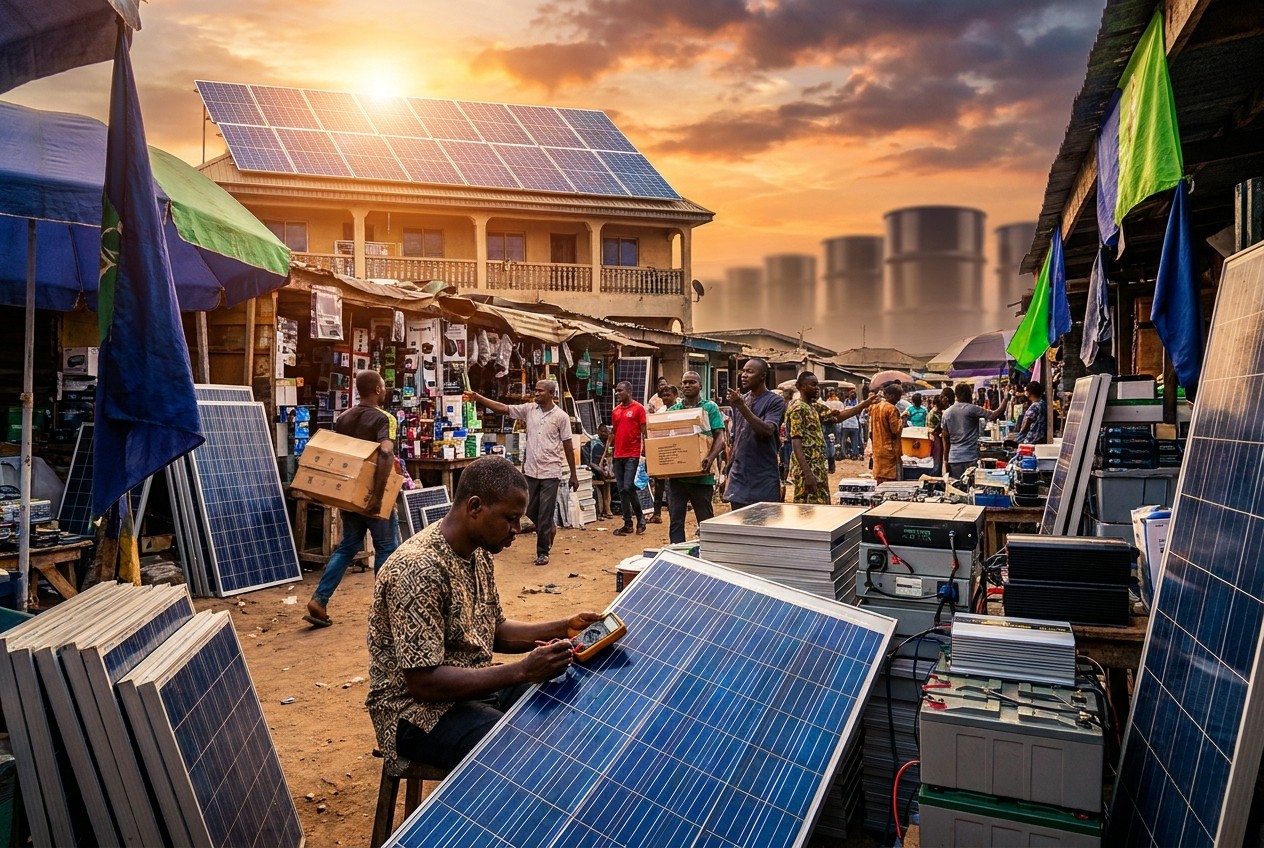
(NaturalNews) Imports of Chinese solar panels into Nigeria increased by two-thirds between June 2024 and June 2025, according to Yale Environment 360, as rising ene…

(NaturalNews) Iraq and Jordan on Monday blocked the Telegram messaging app across their territories, according to government statements issued by both countries.I…
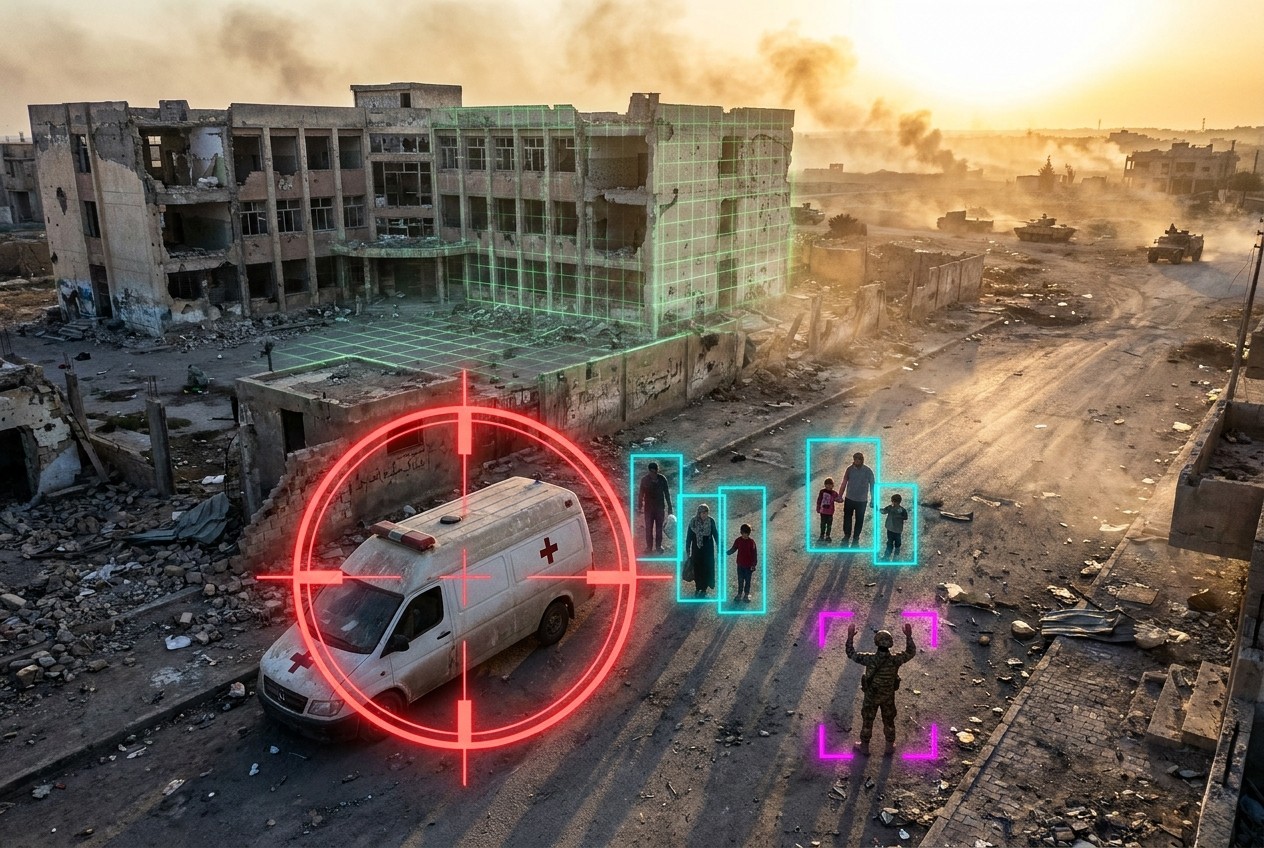
(NaturalNews) Leading artificial intelligence (AI) models marked civilians, ambulances and surrendering soldiers as military targets in experiments conducted by AI …

(NaturalNews) SkilledSurvival.com published a preparedness guide, attributed to co-founder “Just In Case” Jack, that lists 10 steps for beginners [1].The guid…

(NaturalNews) Adults who most closely followed a plant-forward eating pattern known as the EAT-Lancet diet had a 15% to 17% lower relative risk of developing Type 2…

(NaturalNews) Cardamom (Elettaria cardamomum) is a perennial herb native to the tropical forests of southern India, particularly Kerala, Tamil Nadu and Karnatak…
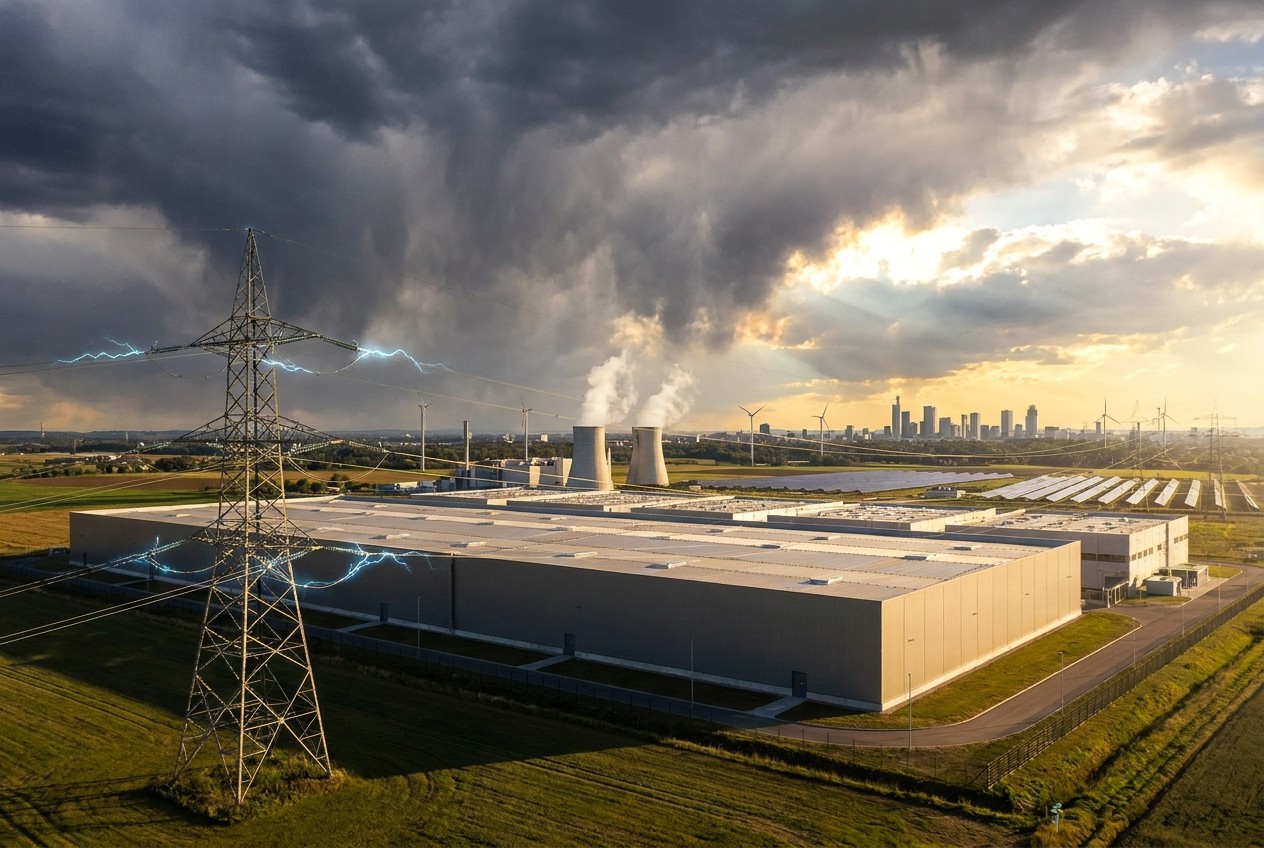
(NaturalNews) A study has estimated that hyperscale data centers used 1.5% to 2.2% of the total electricity from the U.S. power grid.The range is comparable to …

(NaturalNews) Shares of Intel fell 28.6% on October 30, one day after the Santa Clara, California-based company projected lower-than-expected fourth-quarter revenue…
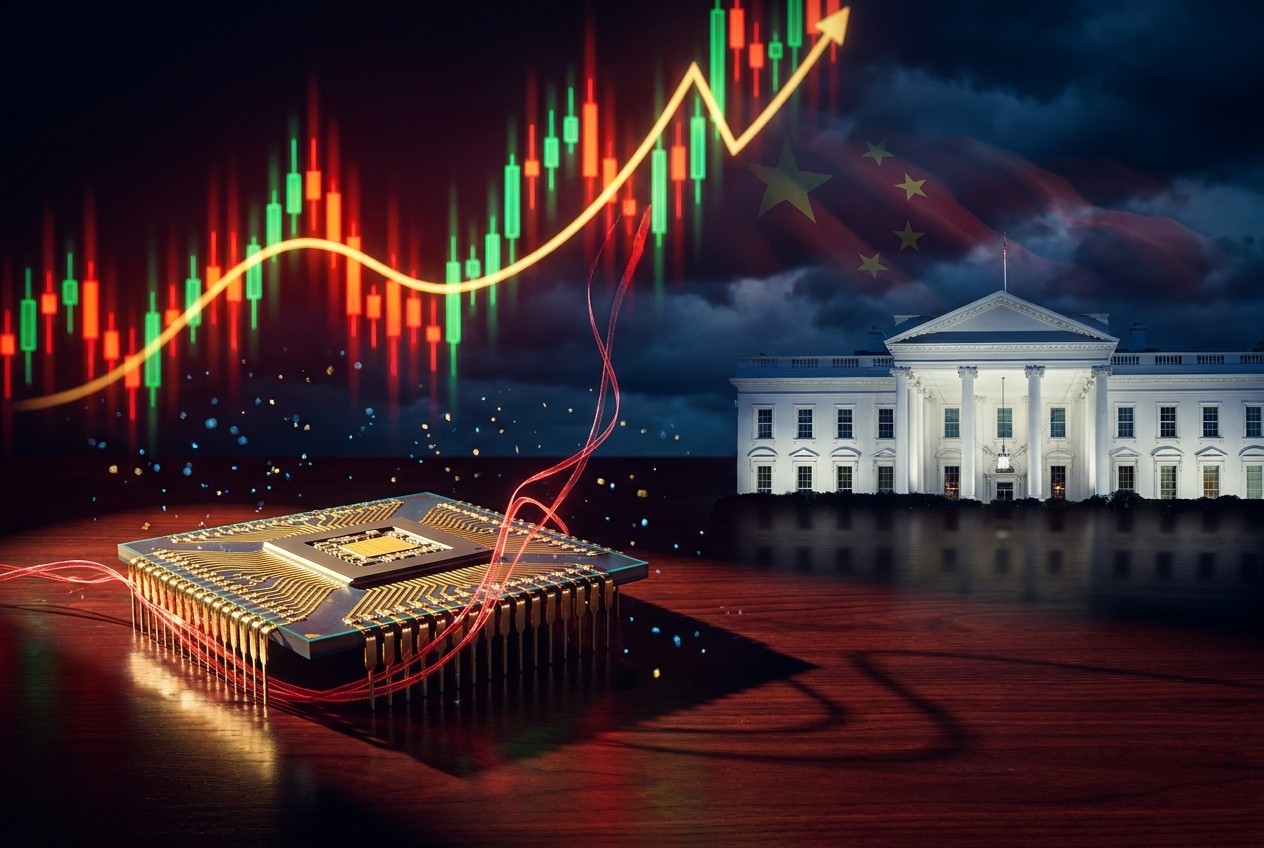
(NaturalNews) President Donald Trump’s investment accounts have traded Nvidia shares more than 100 times since his second term, with all transactions amounting to a…

(NaturalNews) Ultra-processed foods now account for 67% of calories in American children’s diets. New research links these foods to metabolic dysfunction-ass…
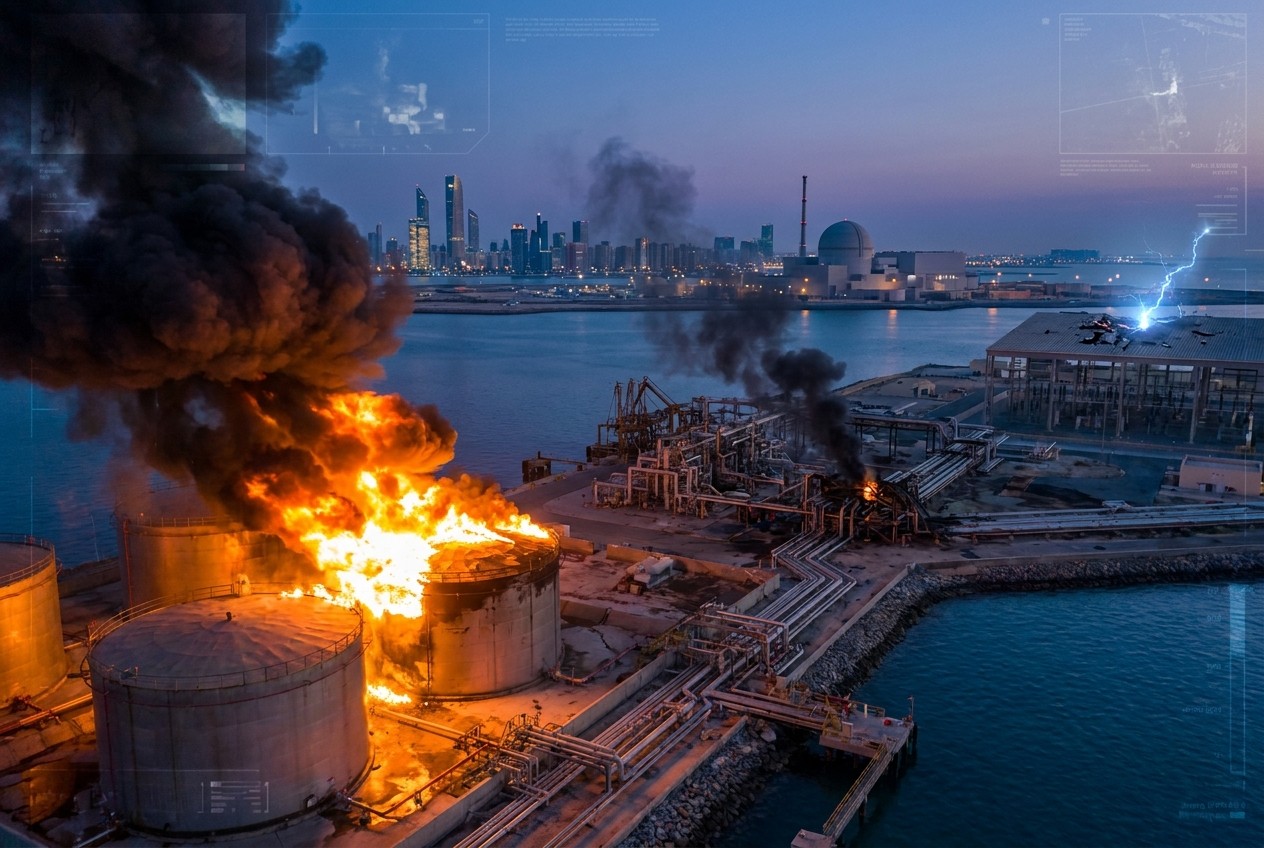
(NaturalNews) Iran launched drone and missile attacks against U.S. air bases in Kuwait and Bahrain on Wednesday, November 18, 2026. The strikes followed a U….

(NaturalNews) Adults who ate one avocado daily for six months improved their dietâs glycemic load without being asked to change any other eating habits. Pa…

(NaturalNews) Muscle spasms affect millions, with dehydration and electrolyte imbalances as primary causes. Targeted stretches can prevent nighttime charley …
(NaturalNews) Nvidiaâs $65.3 billion quarterly profit follows former CEO Jensen Huangâs resignation over an affair with a woman U.S. intelligence has identi…

Suspected provocateur specifically stated, ‘We’re here to storm the capitol. I’m not kidding.’ In a new mini-documentary diving into Jan. 6, investigative journalist Lara Logan [more…]

Mainstream media claims Obama-Biden partnership has only been happening for 5 months. Former President Barack Obama has been secretly advising the Biden administration for several [more…]

“This case could completely wipe out the ATF’s ability to create law and subvert congress, which would be a massive win for the Second Amendment.” [more…]

Elon Musk chimed in to question ‘how common’ this type of illegal activity is during American elections Bridgeport, Connecticut, the largest city in the state, [more…]

Chinese woman evades warrant for vehicular manslaughter after horror wreck caught on camera A Chinese woman fled back to her homeland after allegedly killing her [more…]

Downdetector has reported that several US banks are facing service disruptions on Friday morning. Update (1315ET): Fed Reserve Says ACH Error Impacting Customers Bitcoin literally [more…]

Footage shows male senior swiftly strike ball in attempt to make goal, inadvertently hitting female player directly in mouth. A female high school lacrosse player [more…]

Use promo code “ALEX” when you sign up on Mug Club to get one month FREE of the network’s exclusive broadcasts, investigative reports, comedy specials [more…]