







Footage shows male senior swiftly strike ball in attempt to make goal, inadvertently hitting female player directly in mouth. A female high school lacrosse player [more…]

For years, Dr. Debra Soh viewed pornography as little more than harmless entertainment for consenting adults. Today, the neuroscientist and sex researcher sees it very differently.
“I used to write for a very well-known men’s magazine that features nude women. I was a regular columnist for that magazine,” Soh tells BlazeTV host Allie Beth Stuckey, noting that her views have changed “a lot” since then.
“Millennials, we grew up with internet porn. I don’t think we were as negatively affected as Gen Z, say, but I do think there are some effects there,” she says.
Soh explains that literature shows that “early exposure to pornography” can lead to “negative outcomes like hypersexuality [and] greater propensity for risky sex.”
“So that means having sex with many people, having unprotected sex, being under the influence of drugs and alcohol when having sex,” she says, noting that it also changes the way men and women view the opposite sex.
“Even if it’s not in a sexual interaction, just how men potentially view women more generally. And that sounds like such a cliche, but at the same time, I don’t see how that would not be the case because what we consume is going to affect the way we view ourselves and the way we view other people,” she continues.
And viewing porn, Soh points out, “tends to be associated with boredom, lack of meaning in life, anxiety. So these are issues that need to be addressed, as opposed to society telling people, ‘Oh, you can watch as much porn as you want and it’s not unhealthy.’”
And pairing society’s obsession with technology, increased amount of doomscrolling, and neutral attitude toward pornography, more and more kids are being exposed to pornography at younger ages.
“I’m concerned that their exposure to this at such a young age is actually going to increase the likelihood that they’re going to find these bizarre things sexually arousing or these acts enjoyable because they’re pairing it with early sexual development,” Soh says.
“The average age that kids see porn now is 12. And that age is getting younger and younger,” she adds.
To enjoy more of Allie’s upbeat and in-depth coverage of culture, news, and theology from a Christian, conservative perspective, subscribe to BlazeTV — the largest multi-platform network of voices who love America, defend the Constitution, and live the American dream.
Gen z, Kids, Millennials, Neuroscientist, Pornography, Technology, Internet porn, Dr debra soh, Blazetv show
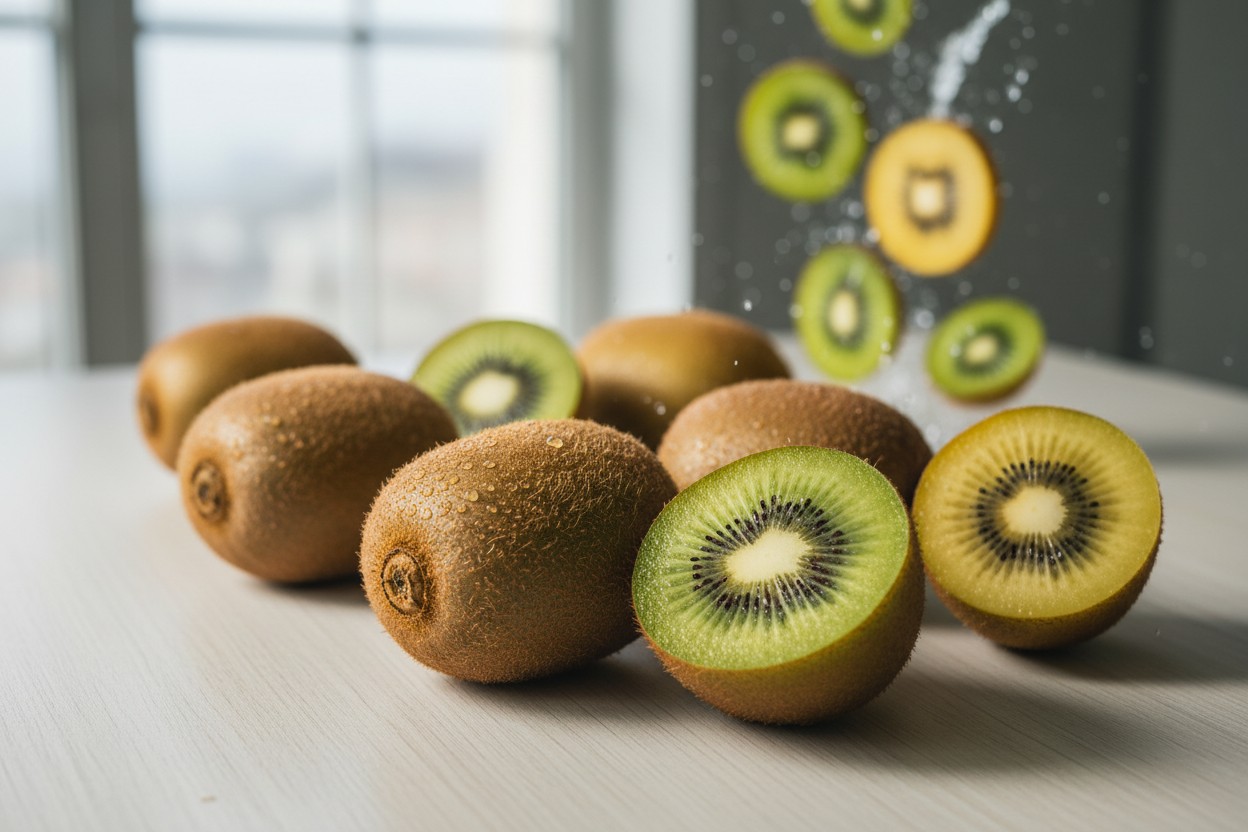
(NaturalNews) Cleveland Clinic published guidance on Feb. 17, 2023, stating that every part of the kiwifruit is edible, including the fuzzy brown exterior often dis…

(NaturalNews) Researchers in China have detected six previously unknown structures at the boundary between Earth’s mantle and outer core, according to a study publi…

(NaturalNews) Tariff-Free Beef Imports AnnouncedPresident Donald Trump announced Friday, Sept. 4. that the United States will import up to 300,000 metric tons of …
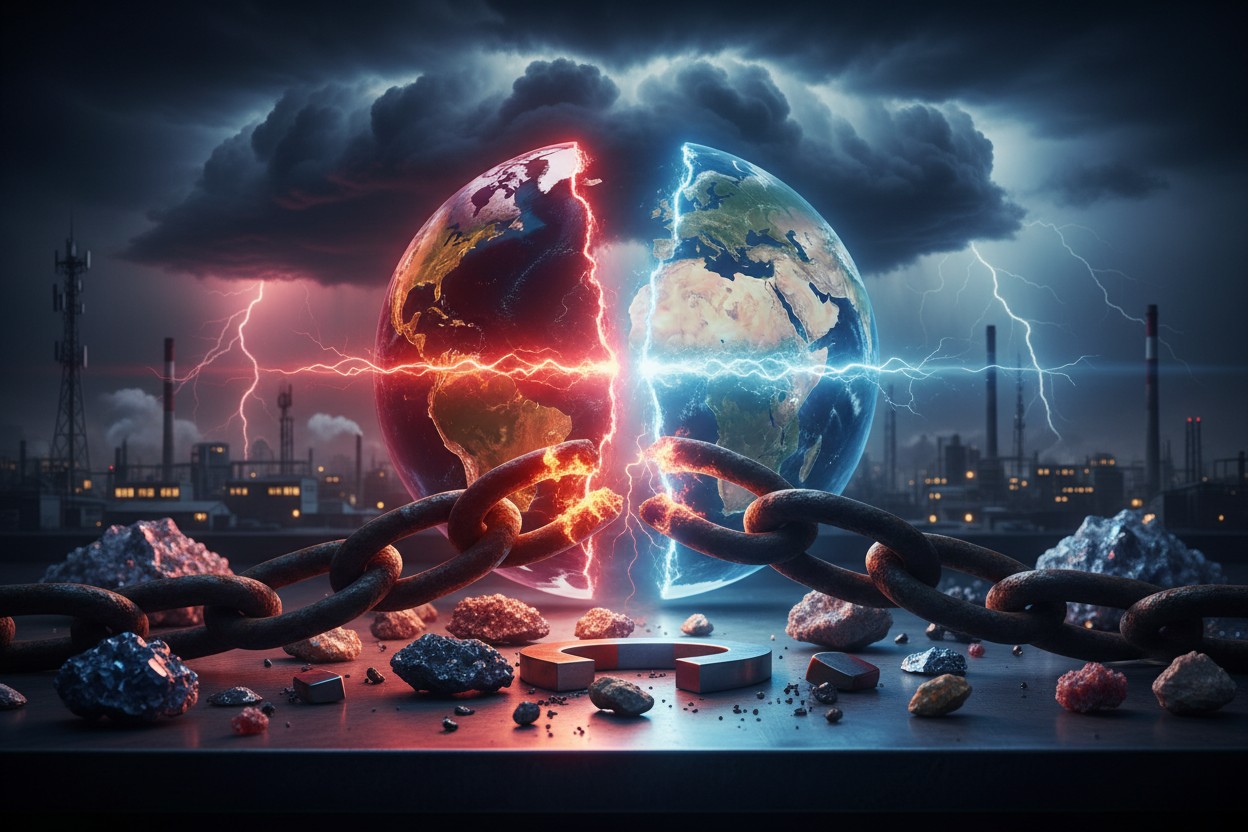
(NaturalNews) A handful of Chinese rare-earth suppliers have refused to ship material to U.S. companies since early August, according to a Reuters report cited by Z…

(NaturalNews) Russia Remains Indiaâs Top Oil Supplier in AugustRussia remained Indiaâs largest supplier of crude oil in August, providing approximately 2.1 mi…
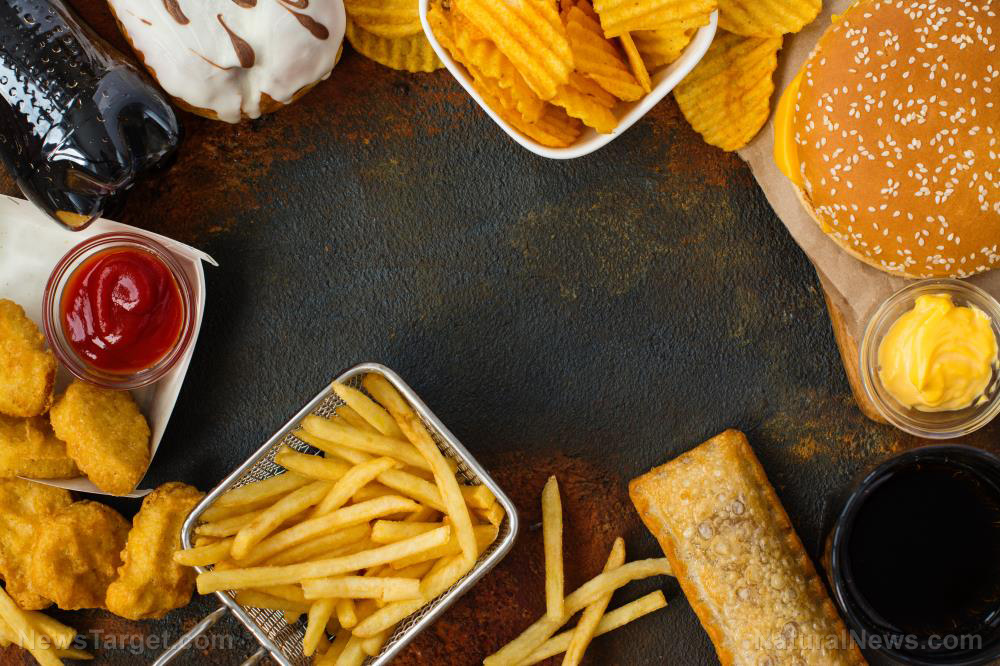
(NaturalNews) A major review finds a diet high in ultra-processed foods (UPFs) is strongly associated with a significantly higher risk of developing Crohn’s dis…
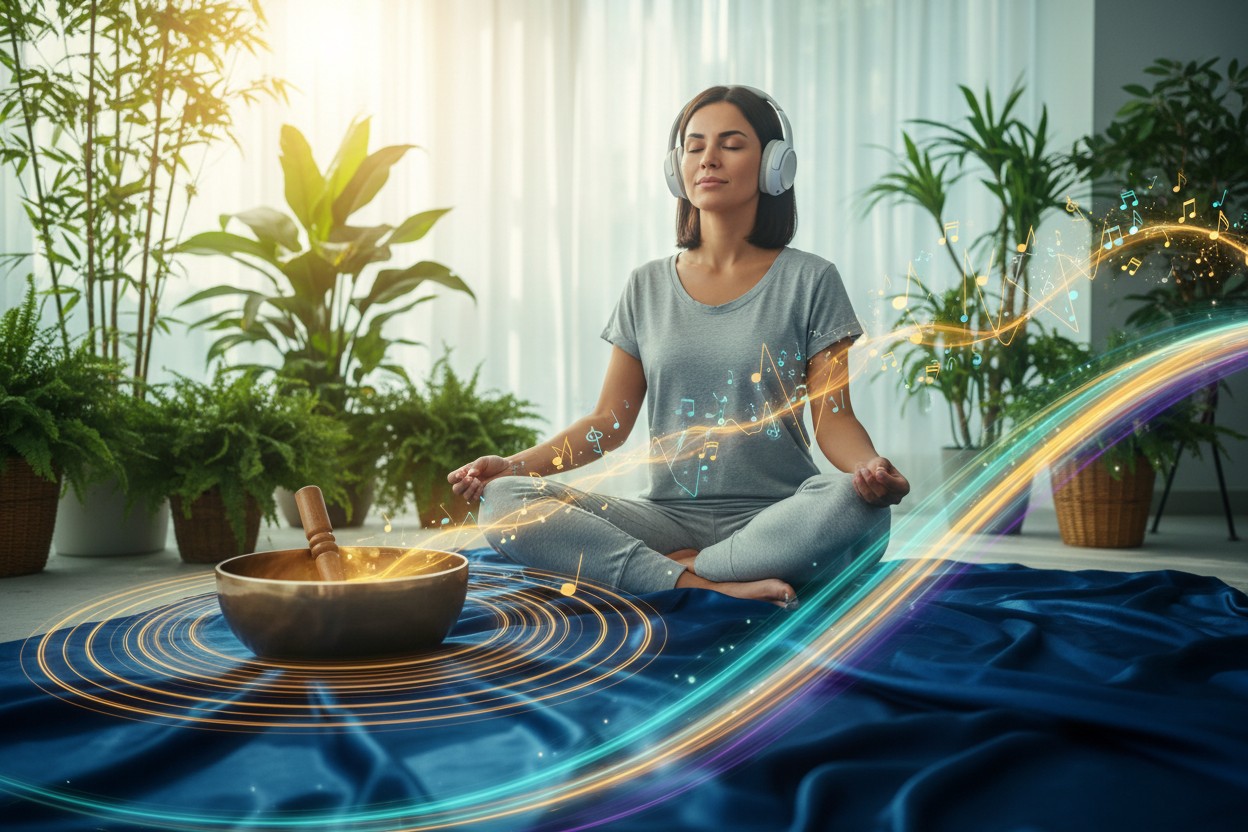
(NaturalNews) Sound and Music Used in Treatment for Anxiety and Chronic PainA report published by The Epoch Times on July 18, 2026, stated that sound and music ar…
(NaturalNews) Summary of Study FindingsA case-control study conducted in China and published in Frontiers in Nutrition reports that women with the highest intake …
(NaturalNews) Iron exists in two forms: heme iron (from animal sources like meat and shellfish), which is highly absorbable, and non-heme iron (from plants like…

(NaturalNews) Drone Strike Hits SBU Building in KyivA drone struck the central building of the Security Service of Ukraine (SBU) in Kyiv on Friday, causing a majo…
(NaturalNews) The U.S. Supreme Court declined on Sept. 4 to hear an appeal from a group of New York healthcare workers seeking to overturn the state’s COVID-19 vacc…
(NaturalNews) Pentagon conducts polygraph tests on 50+ high-ranking officials amid leak tied to Iran war. Investigation targets classified details on U.S. we…

(NaturalNews) Global food prices hit their highest level since November 2022, with the FAO’s index rising 1.9% in August Sugar prices surged nearly 12% on we…
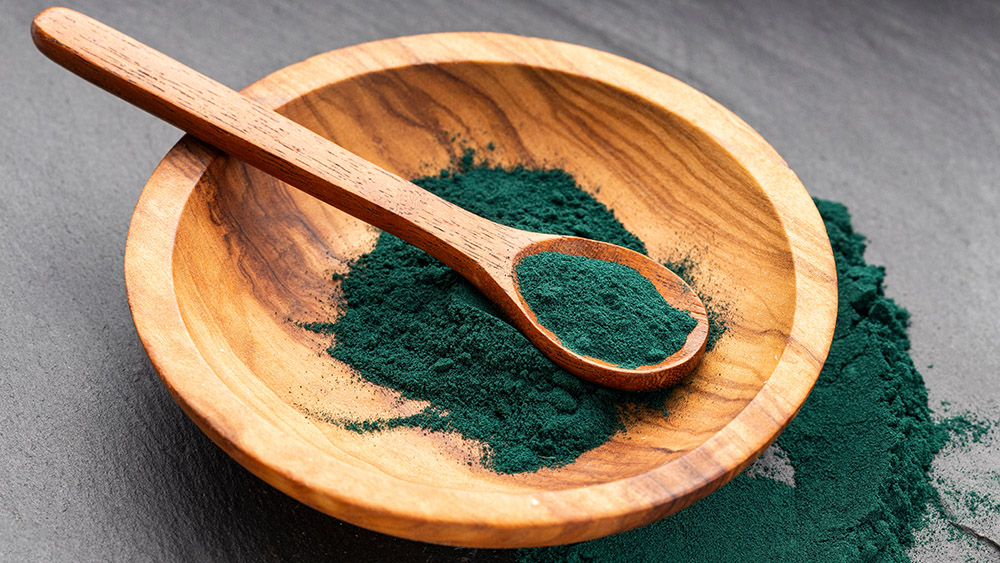
(NaturalNews) Spirulina, a pond algae, may help athletes recover faster and push harder during training. A Beijing Sport University review of 22 trials found…
(NaturalNews) Sprints Alter Nearly a Quarter of Blood Proteins Immediately After ExerciseSix 30-second, all-out sprints changed approximately one-quarter of the b…

(NaturalNews) Chinese firm Niutech Technology Group announced a contract with an anonymous global energy company to construct a large-scale facility that will conve…
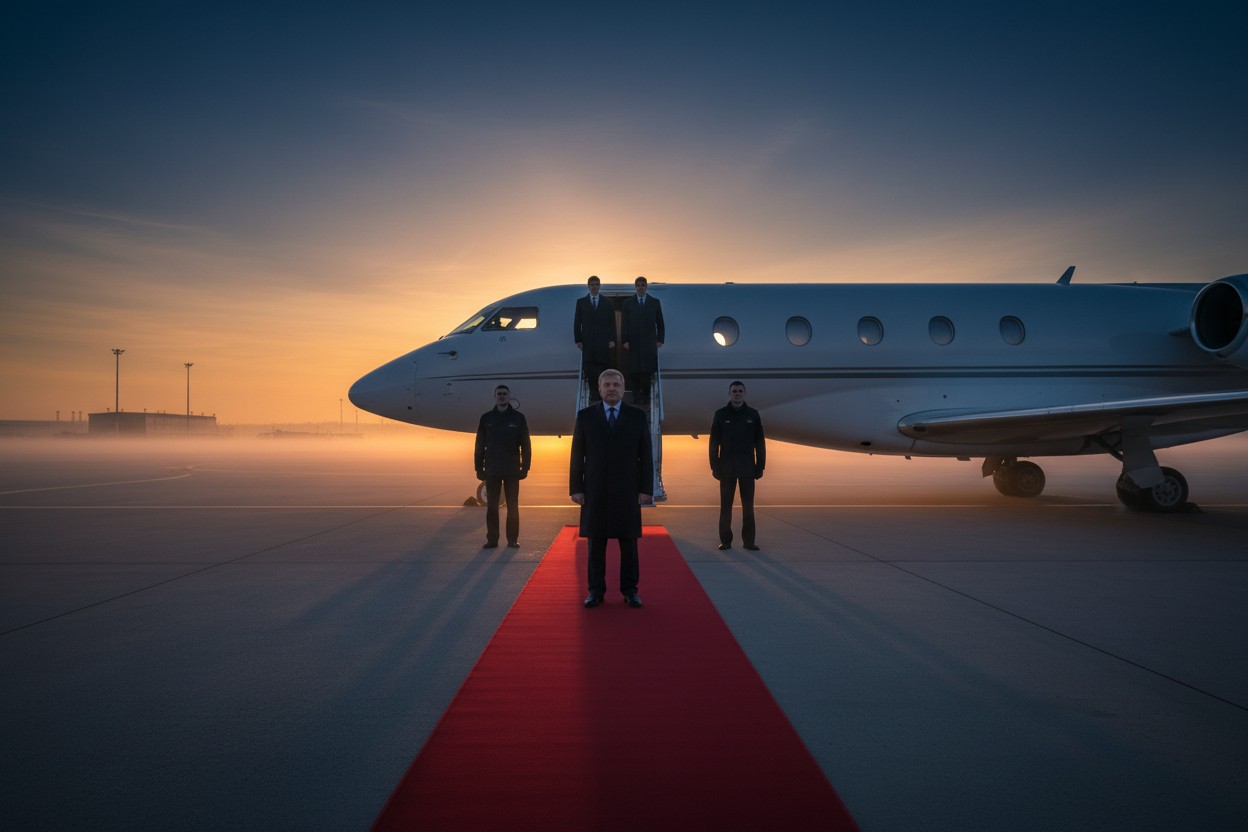
(NaturalNews) U.S. envoys Steve Witkoff and Jared Kushner arrived at Vnukovo airport on Saturday for talks with Russian officials, according to Russian state news a…

(NaturalNews) Pentagon partners with Venezuelan businessman under international money laundering investigations. Deal grants 100-year oil concessions in exch…
Why are things the way they are?
Why does it feel like things were better before?
Having a society of people walking through life in a drab stupor will, believe it or not, have strange impacts on the way the world goes.
No, that’s not exactly right. Everything — emphasis on thing — wasn’t better before. Well, maybe it’s the people then. Yes, that’s it — the people. Why does it seem like people were better before? No, that’s not it either. Not quite. People weren’t better before. There have always been the wicked and the evil and the lazy and the annoying. The world has always had problems.
Well, what is it then? What is it that I am feeling, you are feeling, and we all are feeling? Why does everything feel “off” for lack of a better word?
There’s a lot of answers, and a lot of them are pretty good. Answering questions this big is like looking at an object at a table from different directions. There are multiple correct descriptions of what is sitting in front of everyone, and all the answers help paint a clearer picture.
But is there an answer, a detail, a fact, or an X factor that sits under all the other things and runs like an ostinato through seemingly unrelated domains connecting the dots in a strangely unifying way?
Perhaps.
And if I were to try to list a single X factor that weaves like a thread through all the various forms and domains of decline, descent, malaise, and dysfunction, I might conclude that the fact that connects all these problems is something insurance covers, doctors prescribe, and we are all supposed to nod along with.
SSRIs and other forms of antidepressant medication.
I saw a video recently of an extended family. In a self-satisfied, joke-y sort of way, they all listed the medications they were on. It wasn’t a real joke, it was clear they were all actually on these things, but the video was joking about how funny it is, or something. Like many things TikTok, the tone was a plain, mundane, nihilistic, uncapitalized “lol.”
Of course, TikTok isn’t real life. But it isn’t exactly fake life either. This family of drug-dependents might be a bit of an exaggeration, though not necessarily a fabrication. Spiritually, the video is correct. More people are on these drugs than ever before, and that’s an undeniable fact of reality.
This kind of thing didn’t exist when I was young. Drugs existed, both legal and illegal ones. Prescription drugs to help you be less depressed existed too. There were jokes and themes about Prozac in the 1990s, and before my time, in the midcentury, they were juicing disturbed people up on all sorts of stuff too. But the prevalence of them, overuse of them, and unabashedly flippant taking of them was nowhere near what we see today.
When I was young, the only people who were on this stuff were people who were decidedly “messed up.” Those who had genuinely tried to commit suicide or were really on the brink. And it wasn’t a good thing, and it wasn’t used flippantly. It was serious stuff. Somewhere in the last few decades, this attitude changed.
SSRIs and other antidepressants are the X factor under so much of the general malaise and dysfunction in our perplexing and seemingly decaying culture. At first, it doesn’t really make sense, or it just seems like a bit of a stretch because people think these drugs just “make people happier,” but that’s not exactly what happens. Even if they do seemingly “make people happier,” or at least less depressed, that isn’t the only thing they do.
RELATED: Want to be a man of action? Start a family
Ian Tyas/Getty Images
Listen to people who have been on these drugs describe how they make you feel. The picture isn’t exactly a rosy one. It’s better than suicide, but it isn’t normal. A very common observation you hear from people is that they make you feel dead or like you don’t care about anything. They also lower libido and what might be described as general drive.
These drugs don’t only impact one’s happiness. They bleed out and into all these other things, and when you have people taking them at the scale we do in the U.S., the culture shifts in ways that are unintelligible and confusing to those of us not on anything. Having a society of people walking through life in a drab stupor will, believe it or not, have strange impacts on the way the world goes.
Because of all this, our society is more full of de facto zombies than ever before. No wonder young people feel listless. No wonder achievement and striving for greatness seem naive or corny.
No wonder people aren’t partying.
No wonder the birthrate is in the tank.
No wonder the Democratic Party has become what it is when so many of its voters exhibit depression and anxiety.
No wonder everyone dresses like slobs.
No wonder there is a general apathy that bleeds through everything we see and hear.
No wonder the interior design is bland and factory-like.
No wonder everyone feels like tomorrow is going to be worse than today.
No wonder — to answer our first question — things are the way they are.
Antidepressants, Ssris, Family life, Psychiatry, Overmedication, Lifestyle, Culture, Depression, Anxiety, Health, Make america healthy again, Democratic party, The root of the matter

Footage shows male senior swiftly strike ball in attempt to make goal, inadvertently hitting female player directly in mouth. A female high school lacrosse player [more…]

Use promo code “ALEX” when you sign up on Mug Club to get one month FREE of the network’s exclusive broadcasts, investigative reports, comedy specials [more…]

Suspect in black Lamborghini attempts rob man at Erewhon Market before shooting him in street, police say A man was shot during an attempted robbery [more…]

Watch & share this massive LIVE broadcast to get the latest on America’s border invasion, Mideast war, the NWO depopulation agenda & SO MUCH MORE! [more…]

Is this just another cycle, or is it the END? Martin Armstrong of Armstrong Economics published an article this week about the so-called Socrates program and how [more…]

“I assure you all options are open on the southern front. They can be adopted anytime.” Summary recap: Hezbollah Secretary-General Hassan Nasrallah’s speech went for [more…]

Putin orders planeloads of humanitarian aid to be sent to Egypt The Russian Ministry Emergency Situations said on Friday that it would send two aircraft [more…]

It is Tunisia’s duty to stand with the Palestinians, its president has said The Tunisian parliament on Thursday began discussing a bill that would define [more…]