In Columbus, Ohio, a retailer allegedly traded food stamp benefits for a glass bong and wine. In Rochester, a salon owner exchanged benefits for manicures. A U.S. Department of Agriculture employee allegedly sold $36 million worth of EBT access codes to various shops.
Federal Supplemental Nutrition Assistance Program spending totaled $101.7 billion in fiscal year 2025 — roughly $279 million every single day.
‘SNAP dollars, federal tax dollars, used to buy drugs and guns.’
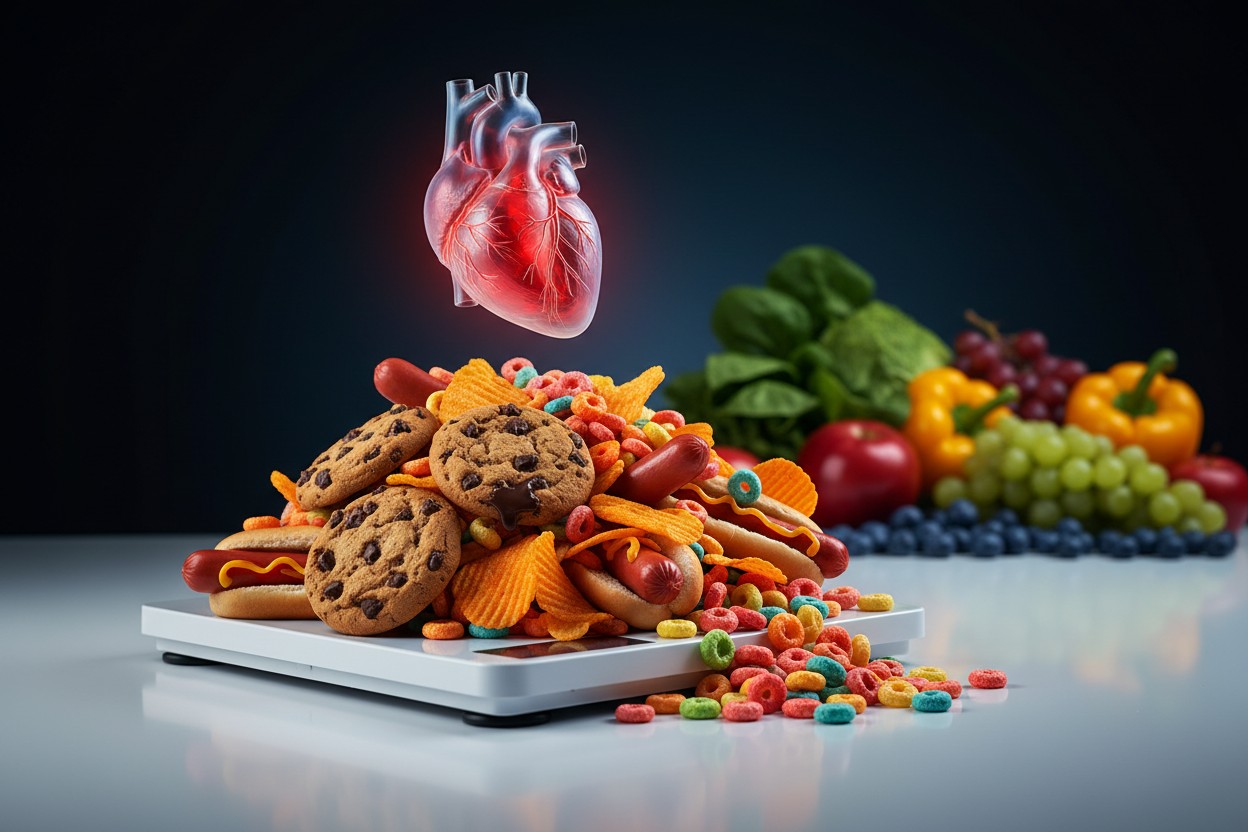
Throughout 2025, USDA Secretary Brooke Rollins and U.S. Department of Health and Human Services Secretary Robert F. Kennedy Jr. granted waiver requests by nearly two dozen states restricting soda, energy drinks, and candy — affecting roughly 13.5 million recipients.
RFK Jr. framed the case: “We cannot continue a system that forces taxpayers to fund programs that make people sick and then pay a second time to treat the illnesses those very programs help create.”
Last Monday, a federal judge blocked five of those bans. Biden-appointed U.S. District Judge Amy Berman Jackson ruled only Congress can redefine what counts as food — with zero medical exemptions even for plaintiffs managing diabetes and kidney issues.
The remaining states’ restrictions stay in place during the appeal.
Rollins called it the work of “an activist judge.” “SNAP is for food — not sugar bombs fueling obesity, diabetes, and skyrocketing healthcare costs for low-income families,” she posted on X Tuesday.
RELATED: Trump DOJ charges illegal aliens in Boston with nearly $1.5 million in welfare fraud
Smith Collection/Gado/Getty Images
The full scale of what SNAP has become was on display at Thursday’s House fraud hearing. Chaired by Rep. Tim Burchett (R-Tenn.), the House Oversight and Government Reform Committee focused heavily on state-level loopholes and systemic gaps.
Burchett asked why 21 states refused to hand over SNAP data — even after the agency identified $3 billion in potential fraud, including benefits to 186,000 deceased individuals and 442,000 with fake Social Security numbers. “There’s no cohesive force between the two,” he said.
“The computers just don’t hook up.”
USDA Inspector General John Walk testified that in one California operation dubbed “Mic Drop,” over $2 million in SNAP benefits were used to buy crack cocaine from gang members. “SNAP dollars, federal tax dollars, used to buy drugs and guns.”
Dawn Royal of the United Council on Welfare Fraud testified: “One address — a one-bedroom efficiency — had 27 SNAP and 12 Medicaid beneficiaries. … This is the program we have fostered.”
Rep. Brandon Gill (R-Texas) pressed Democrat witness Gina Plata-Nino, SNAP policy director at the Food Research and Action Center, on whether taxpayers should fund soda:
Gill: “Are you that ideologically dug in that you want our tax dollars paying for sugary sodas that you will not, in a straightforward way, admit that sugary sodas are not healthful for the American people?”
Plata-Nino: “I think that focusing on soda, when people are going hungry is —”
Gill: “Do you need data to determine whether drinking soda is healthy? … Do you believe that perhaps drinking sodas every day is healthy?”
Plata-Nino: “The worst health outcome is hunger.”
After doubting that hunger could be satiated “with Coca-Cola,” Gill then asked if her organization is funded by companies that profit from SNAP. Plata-Nino said she could not comment.
Gill pressed further: “Yes. And they’re profiting off of your advocacy. Do you think that that’s a conflict of interest? I think most people think that’s a conflict of interest. I know you don’t want to answer.”
Plata-Nino did not answer.
Like Blaze News? Bypass the censors, sign up for our newsletters, and get stories like this direct to your inbox. Sign up here!
Amy berman jackson, Food stamps, Robert f kennedy jr, Snap program, Tim burchett, Waste, Politics, Fraud